
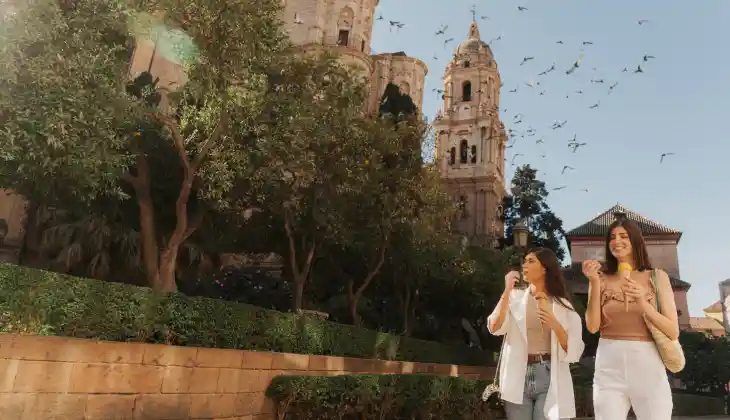
Urban tourism is experiencing an exciting moment. It is no longer just a matter of touring the best-known monuments of a city, but of delving into its neighborhoods, connecting with the local community and discovering original experiences that surprise the visitor. Authentic experiences have become the big trend.
Do you want to know why? Read!
Urban tourism: beyond the historic centres
Urban tourism is evolving towards a more sustainable, participatory and innovative model. Decentralization encourages destinations to diversify the offer, inviting travelers to explore beyond historic centers and discover alternative spaces.
This approach not only reduces pressure on the busiest areas, but also revitalizes emerging neighborhoods, boosts the local economy, and creates unique experiences for visitors.
What is urban tourism today?
Urban tourism is a comprehensive experience that can include:
- Urban art and graffiti routes.
- Workshops with local artisans.
- Gastronomic tastings.
- Visit original museums.
- Shows with their own identity.
- Routes through less traveled areas.
Thus, the traveler becomes the protagonist of his own discovery.

Characteristics of today's urban tourism
The main characteristics of this car are:
- Authenticity: original experiences, connected to the real life of the city.
- Diversification: proposals that cover culture, gastronomy, urban nature and leisure.
- Innovation: integration of technology, digital narratives and augmented reality.
- Sustainability: balanced distribution of tourist flows and promotion of responsible practices.
Authentic experiences: the key to differentiation
Authentic experiences are the lifeblood of urban tourism on the Costa del Sol. Here it is not only about visiting monuments, but about experiencing the province like a local, exploring neighborhoods, streets and spaces that breathe history and modernity.
In Malaga city, you can explore the Lagar de Torrijos Ecomuseum, a space where you can see all the instruments that were used in winemaking, or discover the Pantheon of the Counts of Buenavista in the Basilica of Santa María de la Victoria, an underground corner full of history and mystery.
If you are looking for a gastronomic experience, trying a meal in the inns of the Montes de Málaga is an excellent option. For lovers of haute cuisine, there are also Michelin-starred restaurants, which provide a high-end culinary experience.
An excellent possibility to immerse yourself in the most authentic culture of the province is to enjoy a flamenco show in one of the many tablaos that are located in several cities on the Costa del Sol.
Other examples include the Route of the Murals of Estepona, which comprises more than 60 works of urban art, or workshops with Cantes la Lonja, which have experiences to make seafood recipes; Torremolinos, where the Molino de Inca Botanical Garden offers a haven of peace with its tropical vegetation, ideal for disconnecting; Benalmadena, with Monte Calamorro, which offers stunning panoramic views and hiking trails in a mountainous setting; Ronda, the Lara Palace Museum is a hidden gem where more than 2,000 works of art and antiques are exhibited; in Vélez-Málaga, the Barrio de la Villa, a corner full of history and charm, where you can walk through its narrow streets or the Museum of Holy Week, located in the church of Santa María de la Encarnación or La Mayor, which is the first monographic museum on Holy Week.
Trends in urban tourism: innovation and community
The future of urban tourism rests on two pillars: innovation and community. Innovation drives creative proposals such as augmented reality applications to discover historical corners or guided tours by neighbors who tell personal stories. The community, for its part, ensures that these experiences are genuine, respectful and enriching for both visitors and residents.

How to promote urban tourism through innovation
The great challenge for destinations is to create a balanced model that encourages decentralization. Here are some keys:
- To design thematic routes that combine heritage, gastronomy and leisure in different neighbourhoods.
- Collaborate with local entrepreneurs to generate authentic experiences.
- Commit to digitalisation to personalise itineraries and facilitate mobility.
- Promote balance between residents and tourists, guaranteeing well-being and sustainability.
This innovative approach ensures that urban tourism is both a driver of development and at the same time a memorable experience for visitors.
Urban tourism: original experiences for a bright future
Urban tourism is much more than visiting museums or strolling through emblematic squares. It is to discover the essence of a city through its neighborhoods, its people and its most authentic experiences. Decentralization opens the door to a fairer, more balanced and creative tourism, where each experience becomes an unforgettable memory.
On the Costa del Sol, this trend is gaining strength and is emerging as a great opportunity to lead tourism innovation in the Mediterranean.

16 September 2025